Running a small business doesn’t mean you have to compromise on powerful tools. Discover the best low cost CRM software for small business that delivers big results without breaking the bank.
Why Low Cost CRM Software for Small Business Is a Game-Changer

For small businesses, every dollar counts. Investing in the right technology can dramatically improve customer relationships, streamline operations, and boost sales—all without requiring a massive budget. A low cost CRM software for small business is no longer a luxury; it’s a necessity for sustainable growth.



Boosting Efficiency with Minimal Investment
Small teams often wear multiple hats. A CRM helps automate repetitive tasks like follow-up emails, data entry, and appointment scheduling. This means your team can focus on building relationships instead of managing spreadsheets.
- Automated workflows reduce manual labor
- Centralized customer data improves team coordination
- Time saved translates into higher productivity
According to Salesforce’s State of Sales Report, high-performing sales teams are 2.3x more likely to use CRM tools than underperformers.
Improving Customer Retention and Satisfaction
Customer retention is often more profitable than acquisition. A low cost CRM software for small business allows you to track every interaction, personalize communication, and respond faster to inquiries.
- Track customer history and preferences
- Send timely, personalized follow-ups
- Reduce response time with automated alerts
“A 5% increase in customer retention can increase profits by 25% to 95%.” — Harvard Business Review
Top 7 Low Cost CRM Software for Small Business in 2024
Choosing the right CRM can be overwhelming. We’ve curated a list of the top 7 low cost CRM software for small business that balance affordability, functionality, and ease of use.
1. HubSpot CRM
HubSpot CRM is a favorite among small businesses for its powerful free plan and seamless integration with marketing tools. It’s intuitive, scalable, and packed with features that grow with your business.
- Free forever plan with no user limits
- Email tracking, meeting scheduling, and live chat
- Integrates with Gmail, Outlook, and over 1,000 apps
HubSpot’s free CRM is ideal for startups and solopreneurs. As your needs grow, you can upgrade to paid marketing, sales, or service hubs. Learn more at HubSpot CRM.
2. Zoho CRM
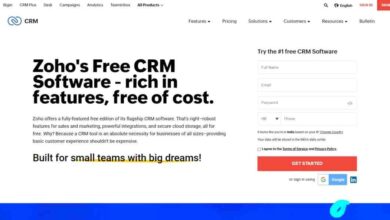
Zoho CRM offers a robust set of tools at an unbeatable price. With a free plan for up to three users and affordable paid tiers, it’s perfect for small teams looking to scale.
- AI-powered sales assistant (Zia)
- Customizable dashboards and workflows
- Strong mobile app for on-the-go access
Zoho CRM also integrates with other Zoho products like Books, Mail, and Projects, making it a full-suite solution. Visit Zoho CRM to explore pricing and features.
3. Freshsales (by Freshworks)
Freshsales stands out with its AI-driven insights and clean user interface. It’s designed for sales teams that want smart automation without complexity.
- Visual deal pipeline and timeline view
- AI-based lead scoring
- Phone, email, and chat in one place
Their free plan supports up to 10 users, making it one of the most generous in the market. Check out Freshsales for more details.
Key Features to Look for in Low Cost CRM Software for Small Business
Not all CRMs are created equal. When evaluating low cost CRM software for small business, focus on features that deliver real value without overwhelming your team.
Contact and Lead Management
The core of any CRM is managing contacts and leads. Look for tools that allow you to import, segment, and organize your customer data effortlessly.
- Easy import from Excel, CSV, or email
- Tagging and categorization options
- Duplicate contact merging
A well-organized contact database ensures no lead falls through the cracks. Tools like HubSpot and Zoho excel in this area.
Sales Pipeline Tracking
Visualizing your sales process helps identify bottlenecks and forecast revenue. A drag-and-drop pipeline lets you move deals from ‘Prospect’ to ‘Closed Won’ with ease.
- Customizable stages
- Drag-and-drop interface
- Real-time pipeline reports
Freshsales and Insightly offer intuitive pipeline views that even non-tech users can master quickly.
Automation and Workflow Tools
Automation saves time and reduces human error. Look for CRMs that allow you to set up rules for follow-ups, notifications, and task assignments.
- Email sequences and reminders
- Task automation based on triggers
- Integration with calendar and email
“Businesses using sales automation see a 14.5% increase in sales productivity.” — Nucleus Research
How to Choose the Right Low Cost CRM Software for Small Business
Selecting the right CRM isn’t just about price. It’s about fit. Here’s a step-by-step guide to help you make the best choice.
Assess Your Business Needs
Start by identifying your pain points. Are you losing leads? Struggling with follow-ups? Need better reporting? List your top 3-5 challenges.
- Map current processes (e.g., lead capture, follow-up, closing)
- Identify gaps in communication or tracking
- Determine team size and collaboration needs
This clarity will help you prioritize features over flashy add-ons.
Test Before You Invest
Most low cost CRM software for small business offers free trials or freemium plans. Use them. Test the user interface, mobile access, and integration with your existing tools.
- Invite team members to test the platform
- Import sample data to see how it handles real info
- Check response time of customer support
For example, try Zoho’s free CRM for 15 days with full features.
Consider Scalability and Integration
Your CRM should grow with you. Ensure it integrates with tools you use or plan to use—like email, accounting software, or marketing platforms.
- Check integration with Gmail, Outlook, Slack, or Zoom
- Look for API access for custom integrations
- Verify mobile app functionality
HubSpot, for instance, integrates seamlessly with over 1,000 apps via its marketplace.
Common Mistakes to Avoid When Using Low Cost CRM Software for Small Business
Even the best CRM can fail if used incorrectly. Avoid these common pitfalls to maximize your ROI.
Poor Data Entry and Maintenance
A CRM is only as good as the data it holds. Incomplete or outdated records render the system useless.
- Enforce data entry standards across the team
- Schedule regular data cleanup
- Use validation rules to prevent errors
Tip: Assign a CRM admin to oversee data quality.
Underutilizing Automation
Many small businesses set up a CRM but stick to manual processes. This defeats the purpose of automation.
- Automate follow-up emails after lead capture
- Set reminders for task completion
- Use workflows to assign leads based on rules
For example, Zoho CRM allows you to automate up to 50 workflows even on its free plan.
Ignoring User Training
Even the simplest CRM requires some onboarding. Without proper training, team members may resist adoption or use it incorrectly.
- Provide hands-on training sessions
- Create quick-reference guides
- Encourage feedback and continuous learning
“Companies that invest in CRM training see 3x higher user adoption rates.” — Gartner
Real-World Success Stories: How Small Businesses Use Low Cost CRM Software
Don’t just take our word for it. Here are real examples of small businesses transforming their operations with low cost CRM software for small business.
Case Study: Local Marketing Agency Boosts Client Retention
A 5-person digital marketing agency in Austin struggled with client follow-ups and project tracking. They adopted HubSpot CRM’s free plan and integrated it with Gmail and Google Calendar.
- Automated monthly check-in emails
- Tracked client interactions in one place
- Improved response time by 60%
Within 6 months, client retention increased by 35%, and team stress decreased significantly.
Case Study: E-commerce Store Scales Sales with Zoho CRM
An online boutique selling handmade jewelry used spreadsheets to manage orders and customer info. After switching to Zoho CRM, they automated order follow-ups and segmented customers by purchase history.
- Launched targeted email campaigns
- Reduced manual data entry by 80%
- Increased repeat purchases by 40%
The owner reported saving 10+ hours per week and doubling customer satisfaction scores.
Future Trends in Low Cost CRM Software for Small Business
The CRM landscape is evolving fast. Staying ahead of trends ensures your small business remains competitive.
AI-Powered Insights and Predictions
Artificial intelligence is no longer just for enterprise. Modern low cost CRM software for small business now includes AI features like lead scoring, sentiment analysis, and predictive forecasting.
- Freshsales uses AI to suggest the best time to contact a lead
- HubSpot’s AI writes email subject lines and content suggestions
- Zia (Zoho’s AI) predicts deal closure probabilities
These tools help small teams make smarter decisions with less effort.
Mobile-First CRM Design
With remote work and on-the-go sales, mobile access is critical. Leading CRMs now prioritize mobile experience with offline access, voice commands, and push notifications.
- Freshsales mobile app allows call logging and note-taking
- HubSpot’s mobile app supports deal updates and email tracking
- Zoho CRM offers voice-to-text notes and GPS-based visit tracking
A mobile-friendly CRM ensures your team stays connected, whether in the office or in the field.
Deeper Integrations with Business Tools
The future of CRM is integration. Expect tighter links with accounting software (like QuickBooks), e-commerce platforms (Shopify), and communication tools (Slack, Teams).
- Sync customer data across platforms automatically
- Trigger CRM actions from external events (e.g., new Shopify order)
- Reduce app switching and improve workflow continuity
For example, Insightly offers deep integrations with G Suite, Microsoft 365, and Mailchimp.
What is the best low cost CRM software for small business in 2024?
HubSpot CRM and Zoho CRM are top contenders due to their free plans, ease of use, and scalability. HubSpot excels in marketing integration, while Zoho offers a broader suite of business tools.
Can I use a CRM for free if I’m a small business?
Yes, many low cost CRM software for small business offer free plans. HubSpot, Zoho, and Freshsales all provide robust free versions with no time limits, making them ideal for startups and solopreneurs.
How does a CRM help improve sales for small businesses?
A CRM helps by organizing leads, automating follow-ups, tracking sales pipelines, and providing insights into customer behavior. This leads to faster deal closures, better customer relationships, and increased revenue.
Is it hard to set up a low cost CRM software for small business?
Not at all. Most modern CRMs are designed for non-technical users. With intuitive interfaces, drag-and-drop builders, and free onboarding resources, you can be up and running in under an hour.
Do I need to pay for training to use a CRM?
No. Most providers offer free training resources, including video tutorials, webinars, and knowledge bases. HubSpot Academy, for example, provides free CRM courses with certifications.
Choosing the right low cost CRM software for small business can transform how you manage customers and grow your revenue. From HubSpot’s free plan to Zoho’s scalable suite, there’s a solution for every budget and need. Focus on ease of use, essential features, and long-term scalability. Avoid common mistakes like poor data management and lack of training. With the right CRM, even a small team can achieve enterprise-level efficiency and customer satisfaction.
Further Reading: