Running a small business in today’s digital world means staying connected with customers like never before. Cloud based CRM software for small business is no longer a luxury—it’s a necessity. Discover how this powerful tool can transform your operations, boost sales, and enhance customer relationships—all without breaking the bank.
What Is Cloud Based CRM Software for Small Business?

Cloud based CRM software for small business refers to customer relationship management tools hosted on remote servers and accessible via the internet. Unlike traditional on-premise systems, these platforms eliminate the need for physical hardware, offering scalability, flexibility, and real-time data access from anywhere in the world.



How Cloud CRM Differs from Traditional CRM
Traditional CRM systems require local installation on company servers, demanding significant upfront investment in infrastructure and IT support. In contrast, cloud based CRM software for small business operates on a subscription model, reducing capital expenditure and enabling faster deployment.
- Traditional CRM: Installed locally, high setup cost, limited accessibility
- Cloud CRM: Hosted online, low entry cost, accessible from any device with internet
- Maintenance: On-premise systems need in-house IT; cloud CRM is managed by the provider
According to Salesforce, cloud CRM adoption has surged due to its agility and ease of integration with other business tools.
Core Components of a Cloud CRM System
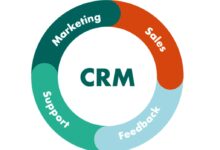
A robust cloud based CRM software for small business typically includes several key modules designed to streamline operations and improve customer engagement.
- Contact Management: Centralizes customer data including names, emails, call logs, and purchase history.
- Sales Pipeline Tracking: Visualizes deals in progress, helping teams forecast revenue and close faster.
- Marketing Automation: Enables email campaigns, lead scoring, and social media integration.
- Customer Service & Support: Offers ticketing systems, knowledge bases, and live chat features.
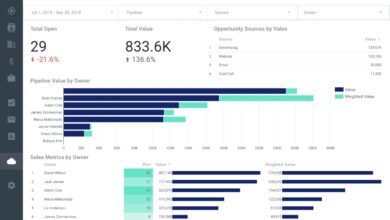
- Reporting & Analytics: Delivers real-time dashboards on sales performance, customer behavior, and team productivity.
“The cloud has democratized access to enterprise-grade tools. Small businesses can now compete with larger players using the same technology.” — Gartner Research
Top 7 Benefits of Cloud Based CRM Software for Small Business
Adopting cloud based CRM software for small business brings transformative advantages. From improving team collaboration to enhancing customer satisfaction, these benefits directly impact growth and profitability.
1. Cost Efficiency and Predictable Pricing
One of the most compelling reasons small businesses choose cloud CRM is cost savings. There’s no need to purchase servers, hire dedicated IT staff, or pay for software licenses upfront.
- Subscription-based pricing (SaaS model) allows businesses to pay monthly or annually.
- Most providers offer tiered plans, so you only pay for the features you need.
- Automatic updates are included—no extra fees for upgrades.
For example, Zoho CRM offers a free plan for up to three users, making it ideal for startups and solopreneurs.
2. Accessibility and Remote Work Enablement
In an era where remote work is increasingly common, cloud based CRM software for small business ensures that your team can access critical customer data from anywhere—whether they’re at home, in the field, or traveling.
- Access via web browsers or mobile apps (iOS and Android).
- Sales reps can update records in real time after client meetings.
- Managers can monitor performance metrics from any location.
This flexibility enhances responsiveness and keeps teams aligned, even when physically dispersed.
3. Scalability to Match Business Growth
As your small business grows, your CRM should grow with you. Cloud based CRM software for small business is inherently scalable.
- Add new users with just a few clicks.
- Upgrade plans to unlock advanced features like AI-powered insights or workflow automation.
- Scale down during slower periods without penalty in many cases.
Platforms like HubSpot CRM allow seamless scaling from startup to enterprise-level functionality.
4. Faster Implementation and Time-to-Value
Unlike legacy systems that can take weeks or months to deploy, cloud CRM solutions can be up and running in days—or even hours.
- No hardware installation required.
- Pre-built templates and wizards simplify setup.
- Many vendors offer onboarding support and training resources.
This rapid deployment means your team starts seeing value faster, accelerating ROI.
5. Enhanced Data Security and Compliance
Contrary to common misconceptions, cloud CRM platforms often provide better security than on-premise systems, especially for small businesses with limited IT resources.
- Top providers use enterprise-grade encryption (AES-256) for data at rest and in transit.
- Regular backups prevent data loss due to hardware failure or human error.
- Compliance with GDPR, HIPAA, and CCPA is built into many platforms.
For instance, Microsoft Dynamics 365 offers advanced threat protection and compliance management tools.
6. Seamless Integration with Other Business Tools
Cloud based CRM software for small business thrives on connectivity. Most platforms integrate effortlessly with email, calendars, accounting software, e-commerce platforms, and marketing tools.
- Sync with Gmail or Outlook for automatic logging of emails and meetings.
- Connect with QuickBooks or Xero for unified financial and customer data.
- Integrate with Shopify or WooCommerce to track customer orders and behavior.
These integrations eliminate data silos and reduce manual entry, saving time and minimizing errors.
7. Improved Customer Experience and Retention
At its core, CRM is about building stronger customer relationships. Cloud based CRM software for small business empowers teams to deliver personalized, timely, and consistent service.
- Track every interaction across channels (email, phone, social media).
- Use automation to send follow-ups, birthday wishes, or renewal reminders.
- Analyze customer behavior to anticipate needs and offer relevant solutions.
According to a study by Nucleus Research, businesses using CRM see an average return of $8.71 for every dollar spent.
Key Features to Look for in Cloud Based CRM Software for Small Business
Not all CRM platforms are created equal. When evaluating options, focus on features that align with your business goals, team size, and industry needs.
User-Friendly Interface and Customization
A CRM should enhance productivity, not hinder it. Look for platforms with intuitive dashboards, drag-and-drop functionality, and customizable fields.
- Custom pipelines for different sales processes (e.g., B2B vs. B2C).
- Personalized views and reports based on user roles.
- Mobile app with full functionality.
Tools like Pipedrive are known for their visual simplicity and ease of use.
Automation and Workflow Management
Automation reduces repetitive tasks, allowing your team to focus on high-value activities.
- Automated lead assignment based on territory or workload.
- Task reminders and follow-up sequences.
- Trigger-based actions (e.g., send a welcome email when a lead is tagged as ‘interested’).
Effective automation can increase team efficiency by up to 40%, according to McKinsey.
Analytics and Reporting Capabilities
Data-driven decisions are key to growth. A good cloud based CRM software for small business should offer robust reporting tools.
- Real-time sales forecasts and pipeline health.
- Customer lifetime value (CLV) and churn rate analysis.
- Customizable dashboards with KPIs like conversion rates and response times.
Platforms like Insightly and Freshsales provide advanced analytics without requiring technical expertise.
Top 5 Cloud Based CRM Software for Small Business in 2024
Choosing the right CRM can be overwhelming. Here’s a curated list of the top five cloud based CRM software for small business, based on features, pricing, ease of use, and customer reviews.
1. HubSpot CRM
HubSpot CRM is a favorite among small businesses for its powerful free plan and seamless integration with marketing, sales, and service hubs.
- Pros: Free forever plan, excellent UI, strong ecosystem, email tracking, meeting scheduling.
- Cons: Advanced features require paid add-ons, limited customization in free tier.
- Best for: Startups, marketing-driven businesses, inbound sales teams.
Learn more at HubSpot’s official site.
2. Zoho CRM
Zoho CRM offers a comprehensive suite of tools at competitive prices, making it ideal for growing small businesses.
- Pros: AI-powered assistant (Zia), multichannel communication, workflow automation, affordable pricing.
- Cons: Interface can feel cluttered for beginners, some features require setup time.
- Best for: Sales-heavy teams, service-based businesses, global operations.
Explore plans at Zoho CRM.
3. Salesforce Essentials
A streamlined version of the world’s leading CRM, Salesforce Essentials is tailored for small businesses needing enterprise-level power.
- Pros: Trusted brand, strong mobile app, extensive app marketplace (AppExchange), excellent support.
- Cons: Higher price point than competitors, steeper learning curve.
- Best for: Businesses planning rapid growth, those already using other Salesforce products.
Visit Salesforce Essentials for details.
4. Pipedrive
Pipedrive is built for sales teams that want a visual, pipeline-first approach to managing deals.
- Pros: Intuitive sales pipeline, activity reminders, strong integrations, mobile-friendly.
- Cons: Limited marketing features, customer service tools are basic in lower tiers.
- Best for: Sales-focused startups, real estate agents, consultants.
Check out Pipedrive for a free trial.
5. Freshsales (by Freshworks)
Freshsales combines CRM with built-in phone, email, and chat capabilities, offering an all-in-one solution.
- Pros: Native telephony, AI-based lead scoring, clean interface, fast setup.
- Cons: Reporting less advanced than competitors, limited third-party integrations.
- Best for: Inside sales teams, tech-savvy SMBs, customer-centric organizations.
Learn more at Freshsales.
How to Choose the Right Cloud Based CRM Software for Small Business
Selecting the best CRM isn’t just about features—it’s about fit. Follow this step-by-step guide to make an informed decision.
Assess Your Business Needs and Goals
Start by identifying what you want to achieve with your CRM.
- Are you struggling with lead follow-up?
- Do you need better sales forecasting?
- Is customer service response time a concern?
Map these pain points to CRM capabilities to narrow your options.
Consider Team Size and User Adoption
A CRM is only effective if your team uses it consistently. For small teams (1–10 people), prioritize simplicity and ease of training.
- Larger teams may need role-based permissions and advanced reporting.
- Look for platforms with onboarding support and video tutorials.
- Involve key users in the selection process to boost buy-in.
Poor user adoption is one of the top reasons CRM projects fail.
Evaluate Integration and Scalability
Your CRM should work seamlessly with existing tools like email, calendars, accounting software, and e-commerce platforms.
- Check if the CRM integrates with your current stack via native connectors or APIs.
- Ensure it can scale as you add users or expand into new markets.
- Ask about data migration support when switching from another system.
Platforms like HubSpot and Zoho offer extensive integration libraries.
Common Challenges and How to Overcome Them
While cloud based CRM software for small business offers immense benefits, implementation isn’t always smooth. Here are common challenges and proven solutions.
Data Migration and Setup Complexity
Moving data from spreadsheets or legacy systems can be daunting.
- Solution: Use CSV import tools or hire a consultant for complex migrations.
- Start with clean, organized data to avoid duplicates and errors.
- Many vendors offer free migration assistance for new customers.
Tip: Begin with essential data (contacts, deals, activities) and add more later.
User Resistance and Low Adoption
Employees may resist change, especially if they’re used to manual processes.
- Solution: Provide hands-on training and highlight personal benefits (e.g., less admin work).
- Appoint a CRM champion within the team to encourage usage.
- Start with basic features and gradually introduce advanced tools.
According to Salesforce, companies with strong executive sponsorship see 2.3x higher user adoption.
Overcustomization and Feature Bloat
It’s tempting to customize every field and automate every process—but this can backfire.
- Solution: Focus on core workflows first. Avoid unnecessary complexity.
- Use default settings where possible to reduce maintenance.
- Review usage analytics to identify underused features and simplify.
Remember: Simplicity drives consistency.
Future Trends in Cloud Based CRM Software for Small Business
The CRM landscape is evolving rapidly, driven by AI, automation, and changing customer expectations. Stay ahead by understanding these emerging trends.
Artificial Intelligence and Predictive Analytics
AI is no longer science fiction—it’s a CRM reality. Modern platforms use AI to:
- Predict which leads are most likely to convert.
- Suggest next-best actions for sales reps.
- Automatically log calls and emails using voice recognition.
For example, Salesforce Einstein and Zia by Zoho provide AI-driven insights without requiring data science skills.
Hyper-Personalization and Customer Journey Mapping
Customers expect personalized experiences at every touchpoint. Cloud based CRM software for small business is becoming more adept at tracking and responding to individual behaviors.
- CRM systems now map customer journeys across channels.
- Dynamic content delivery based on past interactions.
- Behavior-triggered campaigns (e.g., abandoned cart emails).
This level of personalization boosts engagement and loyalty.
Mobile-First and Voice-Enabled CRM
With more teams working remotely, mobile CRM usage is surging. Future platforms will prioritize mobile experiences and even incorporate voice commands.
- Voice-to-text logging of sales calls.
- Mobile dashboards with push notifications for urgent tasks.
- Offline access with automatic sync when back online.
Expect CRM apps to become as intuitive as consumer-grade mobile apps.
What is cloud based CRM software for small business?
Cloud based CRM software for small business is a web-hosted platform that helps small businesses manage customer interactions, sales pipelines, marketing campaigns, and support tickets. It’s accessible from any device with internet, requires no hardware, and is typically offered on a subscription basis.
Is cloud CRM safe for small businesses?
Yes, cloud CRM is generally safer than on-premise systems for small businesses. Reputable providers use advanced encryption, regular backups, and compliance certifications (like GDPR and HIPAA) to protect data. They also have dedicated security teams that most small businesses can’t afford in-house.
How much does cloud CRM software cost?
Costs vary by provider and features. Many platforms offer free plans for up to 3 users (e.g., HubSpot, Zoho). Paid plans typically range from $10 to $50 per user per month. Enterprise solutions can cost more, but small businesses usually find robust options under $30/user/month.
Can I integrate cloud CRM with my existing tools?
Absolutely. Most cloud based CRM software for small business integrates with popular tools like Gmail, Outlook, QuickBooks, Shopify, Slack, and social media platforms. Check the provider’s integration marketplace (like HubSpot App Marketplace or Zoho Marketplace) for compatibility.
How long does it take to implement a cloud CRM?
Implementation can take anywhere from a few hours to a few weeks, depending on complexity. Simple setups with minimal customization can go live in a day. Larger deployments with data migration and training may take 2–4 weeks. Many vendors offer onboarding support to speed up the process.
Cloud based CRM software for small business is a game-changer. It offers affordability, scalability, and powerful tools that were once only available to large enterprises. By centralizing customer data, automating workflows, and providing actionable insights, these platforms empower small businesses to compete more effectively, deliver exceptional service, and grow sustainably. Whether you’re a solopreneur or a growing team, investing in the right CRM can be one of the smartest decisions you make for your business’s future.
cloud based crm software for small business – Cloud based crm software for small business menjadi aspek penting yang dibahas di sini.
Recommended for you 👇
Further Reading: