Navigating customer relationships doesn’t have to be overwhelming. For small businesses, cloud CRM software offers a smart, scalable way to manage leads, boost sales, and deliver top-tier service—all from the cloud.
What Is Cloud CRM Software for Small Business?

Cloud CRM (Customer Relationship Management) software is a web-based platform that helps small businesses manage interactions with current and potential customers. Unlike traditional on-premise systems, cloud CRM software for small business is hosted online, making it accessible from anywhere with an internet connection. This flexibility is a game-changer for growing teams.


How Cloud CRM Differs from On-Premise CRM
On-premise CRM solutions require businesses to install and maintain software on their own servers. This often involves high upfront costs, dedicated IT staff, and complex updates. In contrast, cloud CRM software for small business operates on a subscription model, eliminating the need for hardware investment and simplifying maintenance.
- Cloud CRM is hosted by the provider and accessed via a browser.
- Updates are automatic and included in the subscription.
- Scalability is seamless—add users or features as your business grows.
According to Gartner, over 80% of new CRM deployments are now cloud-based, reflecting a clear industry shift.
Core Components of a Cloud CRM System
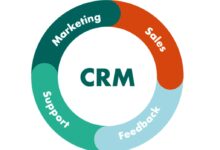
A typical cloud CRM software for small business includes several integrated modules designed to streamline operations:
Contact Management: Centralize customer data, including names, emails, phone numbers, and interaction history.Sales Pipeline Tracking: Visualize deals in progress, forecast revenue, and identify bottlenecks.Marketing Automation: Run email campaigns, track engagement, and nurture leads automatically.Customer Service Tools: Manage support tickets, track response times, and improve satisfaction.Reporting & Analytics: Generate insights on sales performance, customer behavior, and team productivity.”The cloud has democratized CRM technology.What was once only affordable for enterprises is now within reach of the smallest startups.” — Forbes Technology CouncilWhy Small Businesses Need Cloud CRM SoftwareSmall businesses operate with limited resources, making efficiency critical..
Cloud CRM software for small business isn’t just a luxury—it’s a strategic necessity.It empowers teams to work smarter, not harder, by automating repetitive tasks and providing real-time access to customer data..
Improved Customer Relationships
With all customer interactions logged in one place, your team can deliver personalized service at scale. Whether it’s remembering a client’s birthday or following up after a demo, cloud CRM software ensures no detail is missed. This level of attention builds trust and loyalty.
A study by Nucleus Research found that businesses using CRM see an average $8.70 return for every dollar spent—largely due to improved customer retention.
Enhanced Sales Productivity
Sales teams waste up to 33% of their time on administrative tasks. Cloud CRM software for small business automates data entry, lead assignment, and follow-up reminders, freeing reps to focus on closing deals.
- Automated lead scoring prioritizes high-potential prospects.
- Activity tracking ensures consistent follow-up.
- Mobile access allows reps to update records from client meetings.
Tools like Salesforce and HubSpot have shown that CRM users close 29% more deals on average.
Top 7 Cloud CRM Software Solutions for Small Business
Choosing the right cloud CRM software for small business can be overwhelming. To simplify your decision, we’ve evaluated the top seven platforms based on ease of use, pricing, features, and scalability.
1. HubSpot CRM
HubSpot CRM is a favorite among small businesses for its intuitive interface and robust free plan. It’s particularly strong in marketing and sales automation, making it ideal for startups focused on growth.
- Free forever plan includes contact management, email tracking, and deal pipelines.
- Seamless integration with Gmail, Outlook, and Slack.
- Advanced features like automation workflows and reporting available in paid tiers.
HubSpot’s ecosystem grows with you—start with CRM and add marketing, sales, and service hubs as needed. Learn more at hubspot.com.
2. Zoho CRM
Zoho CRM offers exceptional value with a feature-rich platform at competitive pricing. It’s highly customizable and supports AI-powered insights through Zia, its virtual assistant.
- AI-driven sales forecasting and lead scoring.
- Multi-channel communication (email, phone, social) in one dashboard.
- Strong mobile app for on-the-go access.
Zoho integrates with over 40 business applications, including QuickBooks and Mailchimp. Visit zoho.com/crm to explore plans starting at $14/user/month.
cloud crm software for small business – Cloud crm software for small business menjadi aspek penting yang dibahas di sini.
3. Salesforce Essentials
Salesforce, the global CRM leader, offers Salesforce Essentials—a streamlined version tailored for small businesses with up to 10 users.
- Simple setup with pre-built templates.
- Real-time collaboration tools and activity tracking.
- Access to the Salesforce AppExchange for extended functionality.
While more expensive than some alternatives, Salesforce Essentials delivers enterprise-grade reliability. More info at salesforce.com.
4. Freshsales (by Freshworks)
Freshsales stands out with its AI-powered lead prioritization and built-in phone system. It’s designed for sales teams that want speed and automation without complexity.
- Auto-logging of calls and emails.
- Visual deal pipeline with drag-and-drop functionality.
- Real-time engagement metrics and email sequences.
Freshsales’ AI assistant, Freddy, helps predict deal closures and recommends next steps. Plans start at $15/user/month—see freshworks.com.
5. Pipedrive
Pipedrive is built for sales-focused small businesses. Its visual sales pipeline makes it easy to track deals and manage follow-ups.
- Drag-and-drop interface for intuitive deal management.
- Customizable workflows and automation.
- Strong integration with Google Workspace and Microsoft 365.
Pipedrive excels in simplicity and clarity, making it perfect for teams new to CRM. Explore at pipedrive.com.
6. Insightly
Insightly combines CRM with project management, ideal for service-based small businesses like consultants or agencies.
- Project and task tracking alongside customer data.
- Workflow automation for lead nurturing and onboarding.
- Customer relationship linking to track organizational hierarchies.
Its strength lies in connecting sales efforts with delivery timelines. Learn more at insightly.com.
7. Agile CRM
Agile CRM offers an all-in-one solution with marketing, sales, and service features at an affordable price.
- Free plan for up to 10 users with basic features.
- Website tracking and lead capture forms.
- Telephony integration and task automation.
While interface design is less polished than competitors, Agile CRM delivers strong functionality for the price. Visit agilecrm.com.
Key Features to Look for in Cloud CRM Software for Small Business
Not all cloud CRM software for small business is created equal. To get the most value, focus on platforms that offer these essential features.
User-Friendly Interface
Adoption is the biggest hurdle in CRM success. If your team finds the system confusing, they won’t use it consistently. Look for intuitive dashboards, drag-and-drop functionality, and minimal training requirements.
- Mobile responsiveness is crucial for field teams.
- Customizable views allow users to see only what they need.
- Onboarding tutorials and in-app guidance improve learning curves.
Platforms like Pipedrive and HubSpot excel in usability, ensuring high team adoption.
Integration Capabilities
Your CRM shouldn’t exist in a silo. It should connect seamlessly with tools you already use—email, calendars, accounting software, and marketing platforms.
- Native integrations reduce setup time and errors.
- API access allows custom connections to niche tools.
- Zapier support expands integration possibilities without coding.
For example, Zoho CRM integrates with over 400 apps, while HubSpot offers over 1,000 integrations via its marketplace.
Automation and Workflow Tools
Automation is where cloud CRM software for small business delivers real time savings. Look for tools that automate repetitive tasks like:
cloud crm software for small business – Cloud crm software for small business menjadi aspek penting yang dibahas di sini.
- Follow-up emails after lead capture.
- Task assignments based on deal stage.
- Reminders for overdue support tickets.
Automation not only boosts efficiency but also ensures consistency in customer communication.
How to Choose the Right Cloud CRM Software for Your Small Business
Selecting the best cloud CRM software for small business requires a strategic approach. It’s not just about features—it’s about fit.
Assess Your Business Needs
Start by identifying your primary goals. Are you looking to improve sales conversion? Enhance customer support? Streamline marketing campaigns? Your answer will guide your choice.
- Sales-focused teams benefit from pipeline visualization (e.g., Pipedrive).
- Marketing-heavy businesses need automation and analytics (e.g., HubSpot).
- Service-based firms may prioritize ticketing and project tracking (e.g., Insightly).
Map out your customer journey and identify pain points the CRM should solve.
Consider Scalability and Pricing
Choose a solution that grows with you. A $10/user/month plan might seem affordable now, but will it support your needs in two years?
- Look for tiered pricing with clear upgrade paths.
- Avoid long-term contracts if you’re still testing fit.
- Factor in hidden costs like training, data migration, or add-ons.
Many platforms offer free trials—use them to test performance before committing.
Check Security and Compliance
Customer data is sensitive. Ensure your cloud CRM software for small business complies with data protection standards like GDPR, CCPA, and SOC 2.
- Data encryption (at rest and in transit) is non-negotiable.
- Role-based access control prevents unauthorized data access.
- Regular backups and disaster recovery plans protect against data loss.
Reputable providers like Salesforce and Zoho publish detailed security whitepapers on their websites.
Implementing Cloud CRM Software: Best Practices
Even the best cloud CRM software for small business will fail without proper implementation. Follow these best practices to ensure success.
Start with Clear Goals and KPIs
Define what success looks like. Is it a 20% increase in lead conversion? A 30% reduction in response time? Setting measurable goals helps track ROI and justify the investment.
- Align CRM objectives with overall business strategy.
- Assign ownership—designate a CRM champion on your team.
- Use built-in reporting to monitor progress monthly.
Without clear KPIs, it’s hard to assess whether the CRM is delivering value.
Train Your Team Effectively
User adoption is the #1 predictor of CRM success. Invest time in training and ongoing support.
- Offer hands-on workshops, not just manuals.
- Create internal documentation tailored to your workflows.
- Encourage feedback and address concerns promptly.
HubSpot Academy and Zoho Learn offer free training resources to supplement your efforts.
Migrate Data Carefully
Importing messy or outdated data will undermine your CRM’s effectiveness. Clean your data before migration.
- Remove duplicates and outdated contacts.
- Standardize formats (e.g., phone numbers, addresses).
- Test with a small dataset before full migration.
Many CRM providers offer migration tools or services to simplify the process.
Future Trends in Cloud CRM for Small Business
The cloud CRM software for small business landscape is evolving rapidly. Staying ahead of trends ensures your investment remains relevant.
cloud crm software for small business – Cloud crm software for small business menjadi aspek penting yang dibahas di sini.
AI and Predictive Analytics
Artificial intelligence is no longer a buzzword—it’s a core CRM feature. AI-powered tools now predict customer behavior, recommend next actions, and automate responses.
- AI chatbots handle routine inquiries 24/7.
- Predictive lead scoring identifies high-value prospects.
- Natural language processing summarizes call transcripts.
Platforms like Freshsales and Salesforce Einstein are leading this shift.
Mobile-First CRM Experiences
With remote work on the rise, mobile CRM access is essential. Future CRM systems will prioritize mobile interfaces with offline capabilities and voice input.
- Field sales reps can update records in real time.
- Managers approve deals from their phones.
- Push notifications keep teams informed on the go.
Zoho and HubSpot have already invested heavily in mobile optimization.
Hyper-Personalization and Customer Journey Mapping
Customers expect personalized experiences. Next-gen CRM systems will map the entire customer journey, from first touch to advocacy.
- Behavioral tracking across email, web, and social media.
- Dynamic content delivery based on user preferences.
- Automated nurture sequences triggered by customer actions.
This level of personalization builds loyalty and increases lifetime value.
What is cloud CRM software for small business?
Cloud CRM software for small business is a web-based platform that helps manage customer interactions, sales pipelines, marketing campaigns, and support tickets—all hosted online and accessible via subscription.
Is cloud CRM secure for small businesses?
Yes, reputable cloud CRM providers use advanced encryption, regular security audits, and compliance certifications (like GDPR and SOC 2) to protect your data. They often offer better security than on-premise systems.
Can I use cloud CRM software for free?
Yes, several platforms like HubSpot CRM and Agile CRM offer free plans with core features suitable for small teams. These are great for testing before upgrading.
How much does cloud CRM software cost?
Prices range from free (HubSpot) to $25–$50/user/month for premium plans. Most offer tiered pricing based on features and user count.
Does cloud CRM work offline?
Some CRM apps offer limited offline functionality—like viewing contacts or logging activities—which syncs when back online. Check mobile app capabilities before choosing.
cloud crm software for small business – Cloud crm software for small business menjadi aspek penting yang dibahas di sini.
Cloud CRM software for small business is no longer a luxury—it’s a necessity for sustainable growth. From improving customer relationships to boosting sales efficiency, the right platform can transform how you operate. By understanding your needs, evaluating top tools, and implementing with care, you can unlock powerful insights and drive real results. The future of small business success is in the cloud.
Recommended for you 👇
Further Reading: