Online crm software for small business: 7 Best Online CRM Software for Small Business in 2024

Running a small business in today’s fast-paced digital world means staying connected with customers is more important than ever. The right online CRM software for small business can transform how you manage leads, track sales, and build lasting relationships—all without breaking the bank.
Why Online CRM Software for Small Business Is a Game-Changer

Customer Relationship Management (CRM) tools have evolved from luxury software for enterprise giants to essential platforms for small businesses. An online CRM software for small business helps automate routine tasks, centralize customer data, and improve team collaboration—all from the cloud. This means you can access vital customer information anytime, anywhere, using any device with an internet connection.



Streamlined Communication and Centralized Data
One of the biggest challenges small businesses face is scattered customer information. Sales calls, emails, support tickets, and social media interactions often live in different silos. An online CRM software for small business brings all of this data into a single, unified platform.
- Track every customer interaction in one place
- Automatically log emails and calls
- Assign tasks and follow-ups to team members
This centralization reduces the risk of missed opportunities and ensures no customer falls through the cracks. For example, if a lead emails your support team and later speaks to a sales rep, both interactions are visible in the CRM, allowing for a more personalized and informed conversation.
Improved Sales Efficiency and Forecasting
Sales teams in small businesses often wear multiple hats. An effective online CRM software for small business automates repetitive tasks like data entry, lead assignment, and follow-up reminders, freeing up time for actual selling.
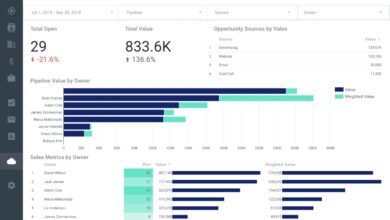
With built-in sales pipelines, you can visualize where each lead is in the buying journey—whether they’re just inquiring, negotiating, or ready to close. This visibility improves forecasting accuracy and helps managers identify bottlenecks in the sales process.
“A CRM isn’t just a database—it’s a sales coach, a memory aid, and a collaboration hub rolled into one.” — HubSpot Blog
According to a study by Nucleus Research, businesses gain an average of $8.71 for every dollar spent on CRM, thanks to increased sales productivity and reduced operational costs.
Top 7 Online CRM Software for Small Business in 2024
Choosing the right CRM can be overwhelming, especially with so many options available. We’ve evaluated the top platforms based on pricing, ease of use, scalability, and essential features for small businesses. Here are the seven best online CRM software for small business this year.
1. HubSpot CRM
HubSpot CRM is widely regarded as the best free CRM for small businesses. It offers a powerful set of tools at no cost, making it ideal for startups and growing companies.
- Free forever plan with unlimited users
- Integrates seamlessly with Gmail and Outlook
- Automated email tracking and meeting scheduling
Its intuitive interface makes onboarding quick, and the platform scales well with paid add-ons for marketing, sales, and service hubs. HubSpot’s ecosystem is one of the most robust in the industry, supported by extensive educational resources.
Learn more at HubSpot CRM.
2. Zoho CRM
Zoho CRM is a feature-rich platform designed specifically for small to mid-sized businesses. It offers AI-powered insights through Zia, its virtual assistant, which can predict deal closures and suggest next steps.
- Highly customizable sales pipelines
- Strong automation and workflow builder
- Excellent mobile app for on-the-go access
Pricing starts at $14/user/month, and Zoho often bundles CRM with other business apps like Books, Projects, and Mail. This makes it a cost-effective choice for businesses already using Zoho’s ecosystem.
Explore Zoho CRM at Zoho CRM.
online crm software for small business – Online crm software for small business menjadi aspek penting yang dibahas di sini.
3. Salesforce Essentials
Salesforce, the global leader in CRM, offers a simplified version called Salesforce Essentials tailored for small businesses with up to 10 users.
- Simple setup with guided onboarding
- Real-time collaboration via Chatter
- Integration with popular tools like Mailchimp and DocuSign
While more expensive than some competitors (starting at $25/user/month), Salesforce Essentials provides enterprise-grade reliability and scalability. It’s a smart choice if you anticipate rapid growth and need a CRM that can grow with you.
Visit Salesforce Essentials for details.
4. Freshsales (by Freshworks)
Freshsales stands out for its AI-driven lead scoring and built-in phone system. It’s designed to help sales teams prioritize high-value leads and close deals faster.
- Visual deal pipeline with drag-and-drop functionality
- Built-in click-to-call and voicemail drop
- Activity-based selling insights
The free plan supports up to 10 users, making it one of the most generous offerings in the market. Paid plans start at $15/user/month and include advanced automation and reporting.
Check out Freshsales at Freshsales CRM.
5. Pipedrive
Pipedrive is built for sales-focused small businesses that want a visual, pipeline-driven approach to managing deals.
- Intuitive drag-and-drop sales pipeline
- Strong automation and email integration
- Detailed sales reporting and forecasting
It’s particularly popular among real estate agents, consultants, and B2B service providers. Pipedrive’s mobile app is highly rated, and its integration with tools like Slack, Google Workspace, and Zapier enhances productivity.
Pricing starts at $14.90/user/month. Learn more at Pipedrive.
6. Insightly
Insightly combines CRM with project management features, making it ideal for small businesses that manage client projects alongside sales.
- Project and task tracking within the CRM
- Workflow automation and relationship linking
- Customer lifecycle management
It’s a great fit for agencies, contractors, and professional services firms. Insightly’s strength lies in its ability to connect sales opportunities with project milestones, ensuring nothing slips through the cracks.
Plans start at $29/user/month. Visit Insightly for more.
7. Agile CRM
Agile CRM offers an all-in-one solution that blends sales, marketing, and service tools in a single platform.
- Free plan for up to 10 users
- Marketing automation with email campaigns and landing pages
- Web analytics and visitor tracking
While not as polished as some competitors, Agile CRM packs a lot of functionality into an affordable package. It’s best suited for small businesses that want an integrated suite without subscribing to multiple tools.
online crm software for small business – Online crm software for small business menjadi aspek penting yang dibahas di sini.
Explore Agile CRM at Agile CRM.
Key Features to Look for in Online CRM Software for Small Business
Not all CRMs are created equal. When evaluating options, focus on features that align with your business goals and operational needs. Here are the most critical functionalities to consider.
1. Contact and Lead Management
The core of any CRM is its ability to store and organize customer information. Look for a platform that allows you to:
- Import contacts from email, spreadsheets, or social media
- Tag and segment leads based on behavior or demographics
- Track communication history (calls, emails, meetings)
Advanced CRMs offer lead scoring, which automatically ranks prospects based on their engagement level, helping your team focus on the hottest leads.
2. Sales Pipeline and Automation
A visual sales pipeline helps your team understand where each deal stands. The best online CRM software for small business lets you customize stages (e.g., Prospecting, Qualification, Proposal, Closed-Won) and automate transitions based on triggers.
Automation can include:
- Sending follow-up emails after a call
- Assigning tasks when a lead reaches a certain stage
- Updating deal status based on email opens or link clicks
These features reduce manual work and ensure consistency in your sales process.
3. Mobile Accessibility and Offline Mode
Small business owners and sales reps are rarely at their desks. A mobile-friendly CRM with offline capabilities ensures you can update records, log calls, or view customer details even without internet access.
Look for apps with:
- Native iOS and Android support
- Offline data syncing
- Push notifications for follow-ups
Platforms like Zoho CRM and Pipedrive excel in mobile experience, offering full functionality on smartphones and tablets.
How to Choose the Right Online CRM Software for Small Business
Selecting the right CRM isn’t just about features—it’s about fit. Here’s a step-by-step guide to help you make the best decision.
1. Define Your Business Needs
Start by identifying your pain points. Are you losing leads because of poor follow-up? Is your team struggling to collaborate? Do you need better reporting?
Create a list of must-have features. For example:
- Need to automate email follow-ups? Look for marketing automation.
- Managing client projects? Consider Insightly or Zoho CRM.
- Operating in real estate or consulting? Pipedrive’s visual pipeline might be ideal.
Being clear about your goals will narrow down your options significantly.
online crm software for small business – Online crm software for small business menjadi aspek penting yang dibahas di sini.
2. Evaluate Ease of Use and Onboarding
A CRM should simplify your workflow, not complicate it. A platform with a steep learning curve can lead to low adoption rates among your team.
Look for:
- Intuitive user interface
- Free training resources or onboarding support
- Quick setup (under 30 minutes)
HubSpot and Freshsales are known for their user-friendly designs and excellent onboarding experiences.
3. Check Integration Capabilities
Your CRM shouldn’t exist in isolation. It should integrate with tools you already use, such as:
- Email (Gmail, Outlook)
- Calendar (Google Calendar, Outlook)
- Accounting software (QuickBooks, Xero)
- Marketing tools (Mailchimp, Facebook Ads)
Most top CRMs offer native integrations or connect via platforms like Zapier. For example, HubSpot integrates with over 1,000 apps, making it highly flexible.
Implementation Tips for Online CRM Software for Small Business
Even the best CRM will fail if not implemented properly. Follow these best practices to ensure a smooth rollout.
1. Start Small and Scale Gradually
Don’t try to migrate all your data and automate every process on day one. Begin with core features like contact management and basic sales tracking.
Once your team is comfortable, gradually introduce automation, reporting, and integrations. This phased approach reduces resistance and allows for troubleshooting.
2. Clean Your Data Before Importing
Garbage in, garbage out. If your existing customer data is messy—duplicate entries, outdated emails, missing fields—your CRM will be ineffective from the start.
Before importing, take time to:
- Remove duplicate contacts
- Standardize naming conventions
- Verify email addresses and phone numbers
Some CRMs, like Zoho, offer data cleaning tools to help with this process.
3. Train Your Team and Encourage Adoption
User adoption is the biggest hurdle in CRM success. Even the most powerful system is useless if your team doesn’t use it.
Strategies to boost adoption:
- Provide hands-on training sessions
- Assign a CRM champion within the team
- Link CRM usage to performance metrics (e.g., logging calls, updating deal stages)
Make it a habit to discuss CRM updates in team meetings. Over time, it will become part of your daily workflow.
online crm software for small business – Online crm software for small business menjadi aspek penting yang dibahas di sini.
Common Mistakes to Avoid When Using Online CRM Software for Small Business
Many small businesses make avoidable errors when adopting CRM. Being aware of these pitfalls can save you time, money, and frustration.
1. Over-Customizing Too Early
While customization is a strength of many CRMs, overdoing it early on can lead to confusion and inefficiency. Resist the urge to create complex workflows or custom fields before understanding how your team actually uses the system.
Start with default settings and refine as you gather feedback. Most platforms allow adjustments later without data loss.
2. Ignoring Data Security
CRMs store sensitive customer information, including emails, phone numbers, and purchase history. Failing to secure this data can lead to breaches and compliance issues.
Ensure your CRM offers:
- SSL encryption
- Two-factor authentication (2FA)
- Role-based access control
Also, train your team on data privacy best practices, such as not sharing login credentials.
3. Not Measuring ROI
It’s easy to assume a CRM is working just because it’s in use. But without tracking key metrics, you won’t know if it’s delivering value.
Monitor KPIs like:
- Sales cycle length
- Conversion rates
- Customer retention
- Team productivity (calls logged, emails sent)
Compare these metrics before and after CRM implementation to assess return on investment.
Future Trends in Online CRM Software for Small Business
The CRM landscape is evolving rapidly, driven by AI, automation, and customer expectations. Small businesses that stay ahead of these trends will gain a competitive edge.
1. AI-Powered Insights and Predictions
Artificial intelligence is no longer just for big corporations. Modern CRMs like Zoho and Salesforce use AI to:
- Predict which leads are most likely to convert
- Suggest optimal times to follow up
- Automatically categorize emails and tasks
These capabilities help small teams work smarter, not harder, by focusing on high-impact activities.
2. Increased Focus on Customer Experience (CX)
Today’s customers expect personalized, seamless interactions. CRMs are evolving into full-fledged customer experience platforms, integrating with chatbots, social media, and support tickets.
For example, HubSpot’s Service Hub allows small businesses to manage customer tickets, knowledge bases, and feedback surveys—all within the same ecosystem as sales and marketing.
online crm software for small business – Online crm software for small business menjadi aspek penting yang dibahas di sini.
3. Voice-Activated CRM and Mobile-First Design
As voice assistants like Alexa and Google Assistant become more common, we’re seeing early experiments with voice-activated CRM commands. Imagine saying, “Log a call with John about the proposal,” and having it automatically recorded in your CRM.
Additionally, mobile-first design is becoming the norm. Future CRMs will prioritize touch-friendly interfaces and offline functionality, recognizing that small business owners are often on the move.
What is the best free online CRM software for small business?
HubSpot CRM is widely considered the best free option, offering unlimited users, contact management, email tracking, and integration with Gmail and Outlook. It’s ideal for startups and small teams looking to scale without upfront costs.
Can I use online CRM software for small business on my phone?
Yes, most online CRM software for small business offers mobile apps for iOS and Android. Platforms like Zoho CRM, Pipedrive, and Freshsales provide full functionality on mobile, including offline access and push notifications.
How much does online CRM software for small business cost?
Prices vary widely. Free plans are available from HubSpot and Agile CRM. Paid plans typically range from $12 to $50 per user per month, depending on features. Many offer discounts for annual billing.
Do I need technical skills to set up a CRM?
No, most modern CRMs are designed for non-technical users. They offer drag-and-drop interfaces, guided onboarding, and customer support. Platforms like HubSpot and Freshsales can be set up in under 30 minutes without coding.
How does CRM improve customer relationships?
A CRM improves customer relationships by centralizing all interactions, enabling personalized communication, and ensuring timely follow-ups. It helps you remember customer preferences, past purchases, and communication history, leading to more meaningful and trust-building interactions.
Choosing the right online CRM software for small business can be a transformative decision. From boosting sales efficiency to enhancing customer satisfaction, the benefits are clear. Platforms like HubSpot, Zoho, and Pipedrive offer powerful, affordable solutions tailored to small business needs. By focusing on ease of use, essential features, and proper implementation, you can maximize ROI and set your business up for long-term success. The future of CRM is intelligent, mobile, and customer-centric—now is the perfect time to get started.
online crm software for small business – Online crm software for small business menjadi aspek penting yang dibahas di sini.
Recommended for you 👇
Further Reading: