Good crm software for small business: Top 7 Best CRM Software for Small Business in 2024

Finding the right CRM can transform how a small business manages customers. A good CRM software for small business boosts efficiency, improves relationships, and drives sales—all without breaking the bank.
Why a Good CRM Software for Small Business Is Essential

In today’s fast-paced market, small businesses need tools that help them compete with larger players. A Customer Relationship Management (CRM) system is no longer a luxury—it’s a necessity. A good CRM software for small business centralizes customer data, streamlines communication, and automates repetitive tasks. This allows teams to focus on building relationships rather than managing spreadsheets.


Improves Customer Relationships
Strong customer relationships are the backbone of any successful small business. With a CRM, every interaction—emails, calls, purchases, and support tickets—is logged and accessible. This means your team can provide personalized service, anticipate needs, and resolve issues faster.
- Tracks customer history and preferences
- Enables timely follow-ups
- Reduces miscommunication across teams
“A CRM isn’t just about data—it’s about turning every customer interaction into a meaningful relationship.” — HubSpot
Boosts Sales Efficiency
Sales teams waste hours on manual data entry and lost leads. A good CRM software for small business automates lead capture, tracks deal stages, and sends reminders for follow-ups. This ensures no opportunity slips through the cracks.
- Automates lead assignment and nurturing
- Provides real-time sales pipeline visibility
- Integrates with email and calendar tools
Enhances Team Collaboration
When customer data lives in silos—on someone’s laptop or in scattered emails—collaboration suffers. A centralized CRM ensures everyone, from sales to support, has access to the same information. This transparency improves coordination and service quality.
- Shared access to customer profiles
- Internal notes and task assignments
- Role-based permissions for security
Key Features to Look for in a Good CRM Software for Small Business
Not all CRMs are created equal. For small businesses, the focus should be on simplicity, affordability, and scalability. Here are the must-have features when evaluating a good CRM software for small business.
good crm software for small business – Good crm software for small business menjadi aspek penting yang dibahas di sini.
User-Friendly Interface
Small teams often lack dedicated IT staff. A CRM with an intuitive, clean interface reduces training time and increases adoption. Look for drag-and-drop functionality, customizable dashboards, and mobile accessibility.
- Minimal learning curve
- Responsive design for mobile use
- Customizable views for different roles
Automation Capabilities
Automation is a game-changer for small businesses. From sending welcome emails to scheduling follow-ups, automation saves time and ensures consistency. A good CRM software for small business should offer workflow automation that’s easy to set up and modify.
- Email automation and drip campaigns
- Task and reminder automation
- Lead scoring and routing
Integration with Essential Tools
Your CRM shouldn’t exist in isolation. It should seamlessly connect with tools you already use—like email, calendars, accounting software, and social media platforms. Integration reduces data duplication and enhances productivity.
- Syncs with Gmail, Outlook, and Google Calendar
- Connects with QuickBooks, Xero, or Stripe
- Integrates with marketing platforms like Mailchimp
“The best CRM integrates effortlessly with your existing stack, not the other way around.” — Zapier
Top 7 CRM Software Options for Small Businesses in 2024
After extensive research and user feedback analysis, we’ve compiled a list of the top 7 CRM solutions that deliver exceptional value for small businesses. Each offers a balance of features, pricing, and ease of use.
1. HubSpot CRM
HubSpot CRM is widely regarded as one of the best free CRM platforms available. It’s particularly popular among small businesses due to its robust feature set and seamless integration with marketing, sales, and service hubs.
- Completely free for core CRM features
- Powerful contact and deal tracking
- Integrates with over 1,000 apps via HubSpot Marketplace
HubSpot’s user-friendly interface and extensive educational resources make it ideal for beginners. As your business grows, you can upgrade to paid tiers for advanced automation and analytics. Learn more at HubSpot CRM.
good crm software for small business – Good crm software for small business menjadi aspek penting yang dibahas di sini.
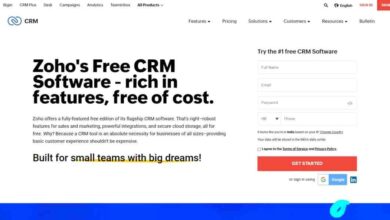
2. Zoho CRM
Zoho CRM offers a powerful, scalable solution tailored for small to mid-sized businesses. Its AI-powered assistant, Zia, helps predict sales outcomes and automates routine tasks.
- Highly customizable workflows
- AI-driven insights and sales forecasting
- Strong mobile app with offline access
Zoho CRM integrates seamlessly with other Zoho products like Books, Campaigns, and Desk, making it a great choice for businesses already in the Zoho ecosystem. Visit Zoho CRM to explore pricing and features.
3. Salesforce Essentials
Salesforce, a leader in the CRM space, offers Salesforce Essentials—a simplified version designed specifically for small businesses with up to 10 users.
- Cloud-based with real-time data access
- Customizable sales pipelines
- Strong reporting and dashboard capabilities
While more expensive than some competitors, Salesforce Essentials provides enterprise-grade reliability and scalability. It’s perfect for small businesses planning rapid growth. Check it out at Salesforce Essentials.
4. Freshsales (by Freshworks)
Freshsales stands out for its intuitive design and built-in phone and email capabilities. It’s a great fit for sales-driven small businesses that want everything in one place.
- Built-in calling and email tracking
- Visual deal pipeline with drag-and-drop
- AI-based lead scoring
Freshsales also offers a free plan with basic features, making it easy to test before committing. Its AI assistant, Freddy, helps prioritize leads and automate follow-ups. Learn more at Freshsales.
good crm software for small business – Good crm software for small business menjadi aspek penting yang dibahas di sini.
5. Insightly
Insightly combines CRM with project management, making it ideal for small businesses that manage client projects or service delivery.
- Project and task management integration
- Customer lifecycle tracking
- Workflow automation and email integration
It’s particularly popular with consulting firms, contractors, and agencies. Insightly’s strength lies in its ability to link customer data with project timelines and deliverables. Explore it at Insightly.
6. Pipedrive
Pipedrive is built for sales teams that want a visual, pipeline-focused CRM. Its drag-and-drop interface makes it easy to manage deals and forecast revenue.
- Visual sales pipeline management
- Activity reminders and scheduling
- Strong integration with Gmail, Outlook, and Slack
Pipedrive excels in simplicity and sales-centric design. It’s a favorite among startups and small sales teams. Visit Pipedrive for a free trial.
7. Agile CRM
Agile CRM offers an all-in-one solution combining CRM, marketing automation, and helpdesk functionality. It’s a cost-effective option for small businesses wanting maximum features at a low price.
- Free plan available with limited features
- Marketing automation and email campaigns
- Web tracking and lead capture
While the interface can feel cluttered, Agile CRM delivers strong value for businesses on a tight budget. Learn more at Agile CRM.
good crm software for small business – Good crm software for small business menjadi aspek penting yang dibahas di sini.
How to Choose the Right CRM Software for Your Small Business
Selecting the best CRM isn’t just about features—it’s about fit. A good CRM software for small business should align with your goals, team size, and budget. Here’s a step-by-step guide to help you decide.
Assess Your Business Needs
Start by identifying your pain points. Are you losing leads? Struggling with follow-ups? Need better reporting? List your top 3-5 challenges. This will help you prioritize which CRM features matter most.
- Map out your sales process
- Identify data sources to integrate
- Determine user roles and access levels
Set a Realistic Budget
CRMs range from free to hundreds of dollars per user per month. Most small businesses should aim for $10–$50 per user monthly. Consider not just the subscription cost, but also setup, training, and potential integration fees.
- Look for transparent pricing with no hidden costs
- Take advantage of free trials and demos
- Factor in long-term scalability
“The cheapest CRM isn’t always the most cost-effective if it doesn’t meet your needs.” — Capterra
Test Before You Commit
Never buy a CRM based on specs alone. Use free trials to test usability, speed, and integration. Involve your team in the evaluation process—after all, they’ll be using it daily.
- Run a pilot with real data
- Test key workflows like lead entry and follow-up
- Gather feedback from team members
Common Mistakes to Avoid When Implementing CRM Software
Even the best CRM software for small business can fail if implemented poorly. Avoid these common pitfalls to ensure a smooth rollout and high adoption.
Poor Data Migration
Moving data from spreadsheets or old systems into a new CRM is often messy. Incomplete or inaccurate data undermines trust in the system. Clean your data before migration—remove duplicates, standardize formats, and verify contact details.
good crm software for small business – Good crm software for small business menjadi aspek penting yang dibahas di sini.
- Use CSV import tools carefully
- Validate data post-migration
- Assign ownership of data cleanup
Lack of Team Training
If your team doesn’t understand how to use the CRM, they won’t use it. Invest time in training and provide ongoing support. Create simple guides or video tutorials tailored to your workflows.
- Offer hands-on training sessions
- Designate a CRM champion
- Encourage questions and feedback
Over-Customization
While customization is powerful, overdoing it can lead to complexity and slow performance. Start with default settings and only customize what’s essential. You can always refine later as you learn what works.
- Avoid creating too many custom fields
- Limit automation rules initially
- Review customizations quarterly
Benefits of Using a Good CRM Software for Small Business
When implemented correctly, a good CRM software for small business delivers measurable benefits across the organization. Let’s explore the key advantages.
Increased Sales Conversion Rates
CRMs help sales teams stay organized and proactive. With reminders, lead scoring, and pipeline visibility, reps are more likely to close deals. Studies show businesses using CRM see up to a 29% increase in sales conversion rates.
- Better lead nurturing and follow-up
- Improved forecasting accuracy
- Shorter sales cycles
Improved Customer Retention
Happy customers stay longer and spend more. A CRM helps you track satisfaction, respond to issues quickly, and personalize communication. This leads to stronger loyalty and higher lifetime value.
- Track support tickets and feedback
- Send personalized birthday or anniversary messages
- Identify at-risk customers for re-engagement
“Companies using CRM report a 36% improvement in customer retention.” — Nucleus Research
Time and Cost Savings
Automation and centralization reduce manual work. Tasks that once took hours—like sending follow-up emails or generating reports—can be done in minutes. This frees up time for strategic activities and reduces operational costs.
good crm software for small business – Good crm software for small business menjadi aspek penting yang dibahas di sini.
- Automate repetitive tasks
- Reduce errors from manual entry
- Lower customer acquisition costs
Future Trends in CRM for Small Businesses
The CRM landscape is evolving rapidly. Small businesses that stay ahead of trends can gain a competitive edge. Here are the key developments shaping the future of good CRM software for small business.
AI and Predictive Analytics
Artificial intelligence is no longer just for big corporations. Modern CRMs use AI to predict customer behavior, recommend next steps, and automate responses. For small businesses, this means smarter decision-making with less effort.
- Predictive lead scoring
- AI-powered chatbots for customer service
- Automated email personalization
Mobile-First CRM Design
With more teams working remotely, mobile access is critical. Future CRMs will prioritize mobile experiences, offering offline access, voice input, and real-time notifications. A good CRM software for small business must be accessible anytime, anywhere.
- Offline data syncing
- Mobile task management
- Location-based reminders
Deeper Integrations and Ecosystems
CRMs are becoming central hubs that connect with e-commerce, accounting, and communication tools. Expect tighter integrations with platforms like Shopify, Slack, and Zoom, enabling seamless workflows across the business.
- One-click integrations with popular apps
- Unified customer profiles across platforms
- Automated data flow between systems
What is the best CRM for a small business with no budget?
HubSpot CRM offers a powerful free plan with essential features like contact management, deal tracking, email integration, and task automation. It’s ideal for startups and small teams looking to get started without spending a dime.
good crm software for small business – Good crm software for small business menjadi aspek penting yang dibahas di sini.
Can a CRM help with marketing automation?
Yes, many modern CRMs like HubSpot, Zoho, and Agile CRM include built-in marketing automation tools. These allow you to create email campaigns, track engagement, and nurture leads automatically based on user behavior.
How long does it take to implement a CRM?
Implementation time varies, but most small businesses can set up a basic CRM in 1–2 weeks. Factors include data migration complexity, team size, and customization needs. Using a phased approach can speed up adoption.
Is CRM software secure for customer data?
Reputable CRM providers use encryption, secure data centers, and compliance certifications (like GDPR and SOC 2) to protect customer information. Always review a vendor’s security policies before signing up.
good crm software for small business – Good crm software for small business menjadi aspek penting yang dibahas di sini.
Do I need technical skills to use CRM software?
No, most modern CRM platforms are designed for non-technical users. They feature intuitive interfaces, drag-and-drop builders, and extensive support resources. Many also offer onboarding assistance to get you started.
Choosing the right CRM is one of the most impactful decisions a small business can make. A good CRM software for small business not only organizes customer data but also empowers teams, drives sales, and enhances customer satisfaction. From HubSpot’s free tier to Salesforce’s enterprise-grade tools, there’s a solution for every need and budget. The key is to assess your goals, involve your team, and start simple. With the right CRM in place, your small business can scale smarter, sell faster, and build stronger relationships—one customer at a time.
Recommended for you 👇
Further Reading: