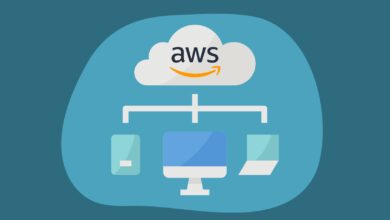
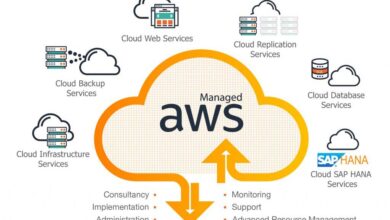
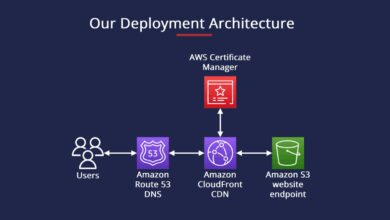
Logging into AWS doesn’t have to be complicated. Whether you’re a developer, sysadmin, or cloud newbie, mastering the aws login process is your first step toward seamless cloud control. In this guide, we’ll break down every method, best practice, and pro tip to make your AWS access faster, smarter, and more secure than ever.
Understanding AWS Login: The Gateway to Cloud Power

The aws login process is more than just typing a username and password. It’s the foundational step to accessing one of the world’s most powerful cloud platforms. Amazon Web Services (AWS) offers multiple ways to authenticate, each tailored for different use cases—from individual developers to large enterprises with thousands of users.




What Is AWS Login?
AWS login refers to the authentication process users go through to access AWS services and resources. This can be done via the AWS Management Console, AWS CLI (Command Line Interface), SDKs, or APIs. Each method requires proper credentials and, ideally, multi-factor authentication (MFA) for enhanced security.
Unlike traditional login systems, AWS uses Identity and Access Management (IAM) to control who can access what. This means your aws login isn’t just about getting in—it’s about proving your identity and permissions.
Why Secure Login Matters
With great cloud power comes great responsibility. A compromised aws login can lead to data breaches, unauthorized resource usage, and even financial loss. According to a 2023 report by Palo Alto Networks, misconfigured IAM policies were responsible for 68% of cloud security incidents.
“The weakest link in cloud security is often the login process.” — AWS Security Best Practices Guide
That’s why understanding and optimizing your aws login workflow isn’t optional—it’s essential.
Core Components of AWS Authentication
AWS authentication relies on several key components:
- IAM Users and Roles: Define who can access AWS resources.
- Access Keys and Secret Keys: Used for programmatic access via CLI or SDKs.
- Multi-Factor Authentication (MFA): Adds a second layer of security.
- Federated Identity (via SSO): Allows login through external identity providers like Microsoft Active Directory or Google Workspace.
Each of these plays a role in how you perform an aws login, depending on your environment and needs.
AWS Management Console Login: Step-by-Step Guide
The AWS Management Console is the web-based interface for managing AWS services. It’s the most common way users perform an aws login, especially for beginners and administrators.
How to Log In to the AWS Console
To log in to the AWS Management Console:
- Go to https://aws.amazon.com/console/.
- Enter your AWS account ID or alias.
- Input your IAM user name and password.
- If MFA is enabled, enter the code from your authenticator app or hardware token.
- Click Sign In.
Once logged in, you’ll be directed to the AWS dashboard, where you can access services like EC2, S3, Lambda, and more.
Using Account Aliases for Easier Login
Instead of using your 12-digit AWS account ID, you can create an account alias. This makes your aws login URL more user-friendly. For example, instead of typing 123456789012, you can use mycompany-aws.
To create an alias:
- Navigate to the IAM console.
- Under Account Settings, check “Create Account Alias.”
- Enter your desired alias (must be unique across AWS).
This small change can significantly improve usability, especially in team environments.
Enabling Multi-Factor Authentication (MFA)
MFA is one of the most effective ways to secure your aws login. AWS supports virtual MFA devices (like Google Authenticator or Authy), U2F security keys, and hardware MFA devices.
To enable MFA:
- Sign in to the AWS Management Console.
- Go to the IAM dashboard.
- Select your user and choose Security Credentials.
- Click Assign MFA.
- Follow the prompts to configure your MFA device.
After setup, every aws login will require both your password and a time-based code, drastically reducing the risk of unauthorized access.
Programmatic AWS Login: CLI and SDK Access
For developers and DevOps engineers, logging into AWS programmatically is often more efficient than using the console. This is where the AWS CLI and SDKs come into play.
Setting Up AWS CLI for Login
The AWS CLI allows you to interact with AWS services using commands in your terminal. Before you can use it, you need to configure your credentials.
Install the AWS CLI from https://aws.amazon.com/cli/, then run:
aws configureYou’ll be prompted to enter:
- AWS Access Key ID
- AWS Secret Access Key
- Default region name (e.g., us-east-1)
- Default output format (e.g., json)
These credentials are stored locally in ~/.aws/credentials and used for every command that requires authentication.
Using IAM Roles for EC2 Instances
When running applications on EC2 instances, avoid hardcoding credentials. Instead, assign an IAM role to the instance. This allows the instance to automatically assume the role and gain temporary security credentials.
This method is not only more secure but also eliminates the need for manual aws login on servers. The AWS SDKs automatically retrieve these temporary credentials from the instance metadata service.
“Never store access keys on EC2 instances. Use IAM roles instead.” — AWS Well-Architected Framework
Managing Multiple AWS Profiles
If you work with multiple AWS accounts (e.g., development, staging, production), you can create separate profiles in the AWS CLI.
Run:
aws configure --profile devThen switch between profiles using:
aws s3 ls --profile devThis keeps your aws login credentials organized and prevents accidental actions in the wrong environment.
Federated Login: SSO and Identity Providers
For enterprises, managing individual IAM users for every employee isn’t scalable. Federated login allows users to sign in using existing corporate credentials.
What Is AWS Single Sign-On (SSO)?
AWS SSO is a service that enables centralized access management across multiple AWS accounts and business applications. Users can log in once using their corporate identity (e.g., Microsoft Entra ID, Okta, or Google Workspace) and gain access to all authorized AWS resources.
This eliminates the need for separate IAM user accounts and streamlines the aws login process for large organizations.
Setting Up AWS SSO with Microsoft Entra ID
To integrate AWS SSO with Microsoft Entra ID (formerly Azure AD):
- Log in to the AWS SSO console.
- Choose Identity Source and select “External Identity Provider.”
- Download the metadata file from AWS and upload it to Microsoft Entra ID.
- Create an enterprise application in Entra ID and assign users or groups.
- Map AWS roles to Entra ID groups for granular access control.
Once configured, users can access AWS via the AWS SSO portal using their corporate credentials—no separate aws login required.
Benefits of Federated Authentication
Federated login offers several advantages:
- Centralized Identity Management: Users are managed in one place (e.g., Active Directory).
- Automatic Provisioning: User access can be automatically granted or revoked based on group membership.
- Improved Security: Leverages existing security policies like password complexity and MFA.
- Seamless User Experience: Single sign-on reduces login fatigue.
For organizations with more than 50 users, federated aws login is not just a convenience—it’s a necessity.
Security Best Practices for AWS Login
Securing your aws login is critical to protecting your cloud environment. A single compromised account can lead to massive data leaks or ransomware attacks.
Enforce Multi-Factor Authentication (MFA)
MFA should be mandatory for all IAM users, especially those with administrative privileges. AWS allows you to enforce MFA through IAM policies.
Example policy to deny actions without MFA:
{
  "Version": "2012-10-17",
  "Statement": [
    {
      "Effect": "Deny",
      "Action": "*",
      "Resource": "*",
      "Condition": {
        "Bool": {
          "aws:MultiFactorAuthPresent": "false"
        }
      }
    }
  ]
}
This ensures that even if credentials are stolen, the attacker can’t proceed without the second factor.
Rotate Access Keys Regularly
Access keys used for programmatic aws login should be rotated every 90 days. AWS provides tools to monitor key age and automate rotation.
To rotate keys:
- Create a new access key.
- Update your applications to use the new key.
- Test functionality.
- Disable the old key.
- Delete it after confirming no issues.
Automate this process using AWS Lambda and CloudWatch Events to reduce human error.
Use Temporary Security Credentials
Instead of long-term access keys, use temporary credentials via AWS STS (Security Token Service). These expire after a set period (usually 15 minutes to 12 hours), reducing the risk of misuse.
Commands like aws sts get-session-token generate temporary tokens that can be used for CLI or SDK access.
“Temporary credentials are the gold standard for secure programmatic access.” — AWS IAM Documentation
Troubleshooting Common AWS Login Issues
Even with proper setup, users may encounter issues during aws login. Knowing how to troubleshoot these problems saves time and reduces frustration.
“Invalid Credentials” Error
This error usually means:
- Incorrect username or password.
- Expired or disabled access keys.
- Wrong AWS account ID or alias.
Double-check your inputs and ensure your IAM user is active. If using CLI, verify the credentials file at ~/.aws/credentials.
MFA Code Not Accepted
If your MFA code is rejected:
- Ensure your device’s clock is synchronized.
- Re-scan the QR code during MFA setup.
- Try a different authenticator app.
A time drift of more than 15 seconds can cause validation failures.
Access Denied Despite Correct Login
Sometimes, you can log in but can’t access certain services. This is typically due to insufficient IAM permissions.
Check:
- The IAM policy attached to your user or role.
- Whether MFA is required for the action (via condition in policy).
- If you’re using the correct AWS region.
Use the IAM Policy Simulator to test permissions before making changes.
Advanced AWS Login Techniques for Pros
For experienced users, there are advanced methods to optimize and automate the aws login process.
Automating Login with AWS SSO CLI
AWS SSO now integrates with the AWS CLI v2. You can configure SSO-based profiles that automatically handle login and token refresh.
Run:
aws configure ssoFollow the prompts to select your SSO portal URL, AWS account, and role. Once set up, the CLI will open a browser window for authentication and cache the session.
This eliminates the need to manage access keys and provides a seamless aws login experience for federated users.
Using AWS Vault for Secure Credential Storage
AWS Vault is an open-source tool that securely stores and manages AWS credentials in your local keychain (e.g., macOS Keychain, Linux Secret Service).
Install AWS Vault from https://github.com/99designs/aws-vault, then add a profile:
aws-vault add devTo execute a command:
aws-vault exec dev -- aws s3 lsThis ensures credentials are never stored in plaintext and are only loaded into memory when needed.
Implementing Just-In-Time Access
Just-In-Time (JIT) access grants temporary elevated privileges only when needed. Tools like AWS IAM Identity Center (successor to SSO) and third-party PAM solutions can automate JIT workflows.
For example, a developer can request admin access for 1 hour to troubleshoot an issue. After approval, they gain temporary rights—automatically revoked afterward.
“JIT access minimizes the attack surface by eliminating standing privileges.” — Gartner Cloud Security Report
Future of AWS Login: Trends and Innovations
The way we perform aws login is evolving. AWS is continuously introducing new features to improve security, usability, and automation.
Passwordless Authentication
AWS is moving toward passwordless login options, especially through SSO integrations. With FIDO2 security keys and biometric authentication, users can log in without ever typing a password.
This reduces phishing risks and improves user experience, aligning with zero-trust security models.
AI-Powered Anomaly Detection
AWS GuardDuty and IAM Access Analyzer now use machine learning to detect unusual login patterns—like logins from new countries or at odd hours.
These systems can automatically trigger MFA challenges or block suspicious sessions, enhancing the security of every aws login.
Integration with Zero Trust Architectures
Modern enterprises are adopting zero trust principles, where no user or device is trusted by default. AWS login mechanisms are being integrated with zero trust frameworks, requiring continuous verification of identity, device health, and network context.
Solutions like AWS Verified Access allow organizations to enforce granular access policies based on device posture and user identity.
How do I reset my AWS login password?
If you’re using an IAM user, the account administrator can reset your password via the IAM console. If you’re the root user, use the “Forgot Password” link on the AWS sign-in page and follow the email verification steps.
Can I use social login for AWS?
No, AWS does not support direct social logins (e.g., Google, Facebook). However, you can federate through identity providers like Google Workspace using AWS SSO.
What is the difference between AWS root login and IAM login?
The root login uses the email and password used to create the AWS account and has unrestricted access. IAM login is for users created within the account with limited, policy-defined permissions. AWS strongly recommends using IAM users instead of the root account for daily tasks.
How long do AWS CLI login sessions last?
CLI sessions using temporary credentials (via STS) typically last from 15 minutes to 12 hours, depending on the role configuration. SSO-based CLI sessions can last up to 8 hours before requiring re-authentication.
Is AWS SSO free?
AWS SSO is free to use. However, if you integrate it with AWS Organizations and manage multiple accounts, there are no additional charges for SSO itself. External identity providers may have their own pricing.
Mastering the aws login process is essential for anyone working with Amazon Web Services. From basic console access to advanced federated authentication, each method offers unique benefits and security considerations. By following best practices—like enabling MFA, rotating keys, and using temporary credentials—you can ensure your cloud environment remains secure and efficient. As AWS continues to innovate, staying updated on new login technologies will keep you ahead of the curve and protected against evolving threats.
Recommended for you 👇
Further Reading: